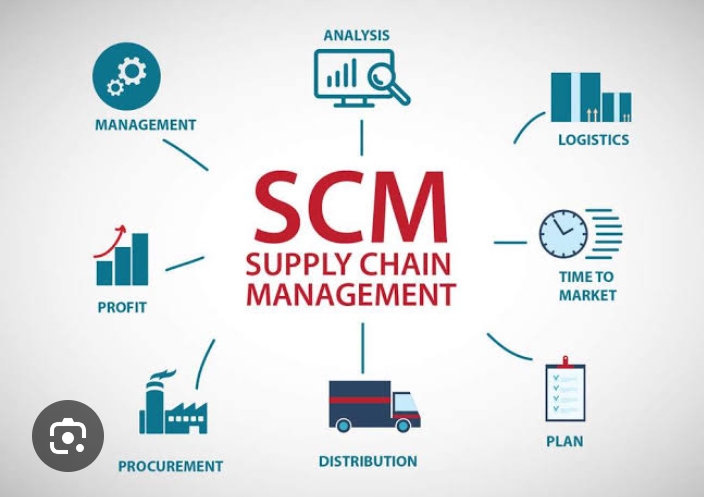
Learning Outcomes
At the end of this course, students should be able to:
- define the concept of supply chain management and its main elements;
- identify and understand the factors that affect global, regional, and local logistics and supply chains;
- evaluate the core fundamentals of logistics within commerce and the risks associated with supply chain;
- identifying supply chain trends and evolution in domestic and foreign goods supply;
- demonstrate ability to leverage on the opportunities embedded in supply chain management at domestic and international levels;
- explain how the supply chain acts as a value chain for competitive advantages; and
- identify the different sources of supply chain competitive advantage.
Course Contents
Fundamental elements of Supply Chain Management–strategic sourcing, transportation, inventory management, demand planning & forecasting, manufacturing, distribution and customer service. Supply chain and competitive strategy. Logistics and customer value. Measuring logistics costs and performance. Matching supply and demand; creating the responsive supply chain; strategic lead-time management; the synchronous supply chain; complexity and the supply chain; managing risk in the supply chain; the era of networking competition; overcoming the barriers to supply chain integration; creating a sustainable supply chain; and the supply chain of the future. Managing supply chain risks.
- Lecturer : Mr. Isaac Aondofa Agber